Cashflow vs. Capital Growth
Within the investing world, two camps often stand opposed: investors who live for the moment dividends are paid out, and investors who focus purely on total return. Dividend investing and the Magic Formula serve two completely different types of investors. Which strategy fits your financial goals?
What Is Dividend Investing?
Dividend investing focuses on building a portfolio of stocks that regularly (and ideally increasingly) pay out profits to shareholders.
- Focus: Generating passive income.
- Advantage: Psychologically reassuring; you receive cash regardless of what the stock price does.
- Example: Investing in 'Dividend Aristocrats' (companies that have increased their dividend for 25+ consecutive years).
How Does the Magic Formula View Dividends?
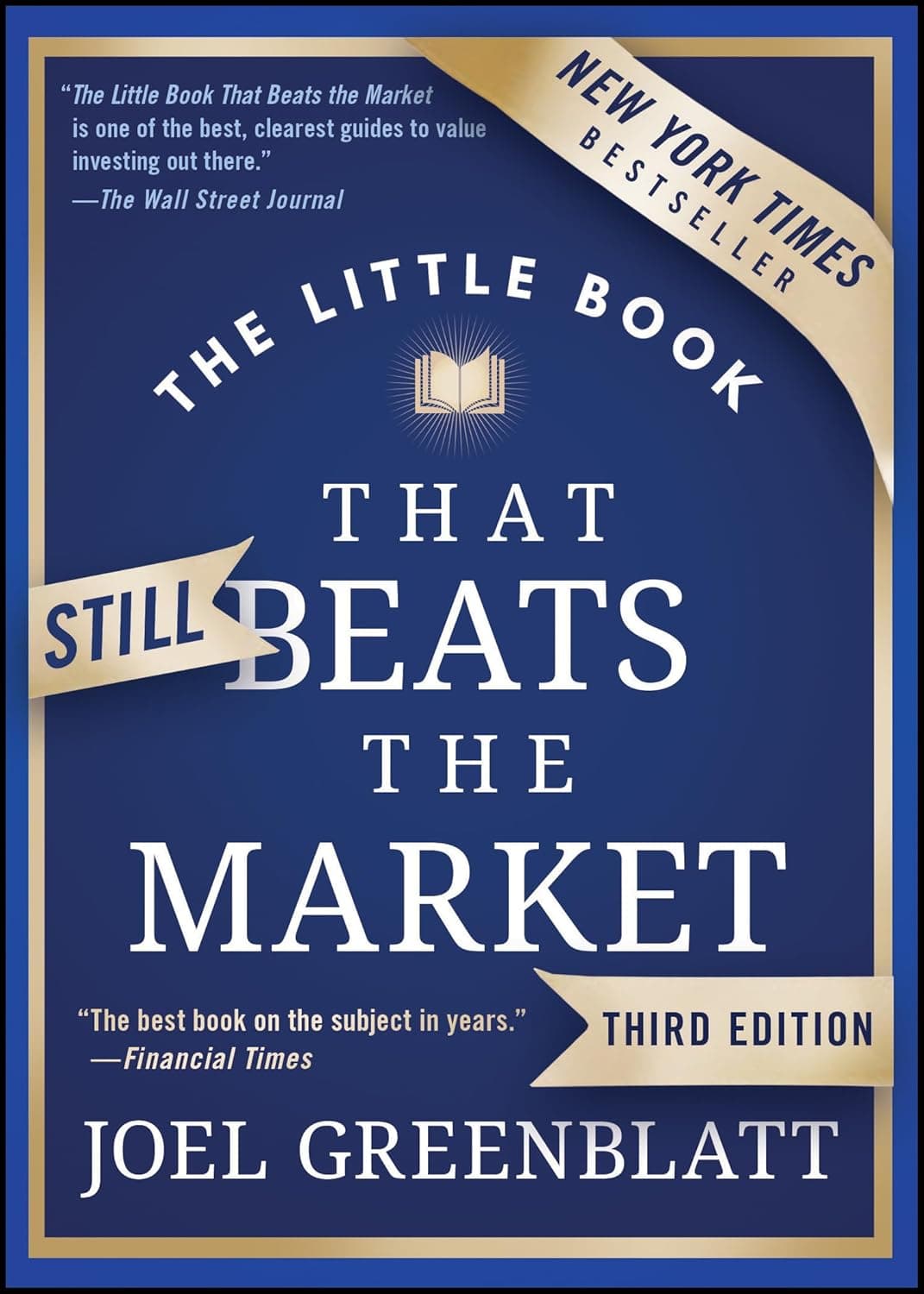
In short: Joel Greenblatt's Magic Formula ignores dividends entirely. The formula looks for companies with a high Earnings Yield, meaning the company generates a lot of profit relative to its market value. What the company does with those profits (reinvest, buy back shares, or pay dividends) doesn't matter to the formula. The focus is 100% on Total Return (capital gains + any dividend).
Comparison: Which Do You Choose?
| Feature | Magic Formula | Dividend Investing |
|---|---|---|
| Primary Goal | Maximum total return (capital growth) | Passive income stream (cashflow) |
| Taxes | Often taxed on capital gains (depends on country) | Sensitive to dividend withholding tax |
| Psychology | Demanding; stock appreciation is the only measure | Rewarding; regular payouts feel like income |
| Type of Stocks | Often undervalued, sometimes unpopular companies | Stable, mature "blue-chip" companies |
Conclusion
Are you young, in the wealth-building phase, and looking for maximum returns? Then the Magic Formula — despite greater volatility — is statistically a more powerful engine for capital growth.
However, if you're approaching (or in) retirement, want to live off your investments, or place great value on a predictable cashflow, then dividend investing is the clear winner.
The good news: these strategies aren't mutually exclusive. Many investors combine elements of both as their financial situation evolves over time.
Curious how the Magic Formula stacks up against other strategies? Read our Magic Formula vs. Warren Buffett comparison. And when you're ready to implement, don't forget the tax implications — our tax-smart investing guide shows you how to keep more of your returns. For a practical starting point, see our step-by-step portfolio construction guide.