A Strategy from 2005 in the Current Era
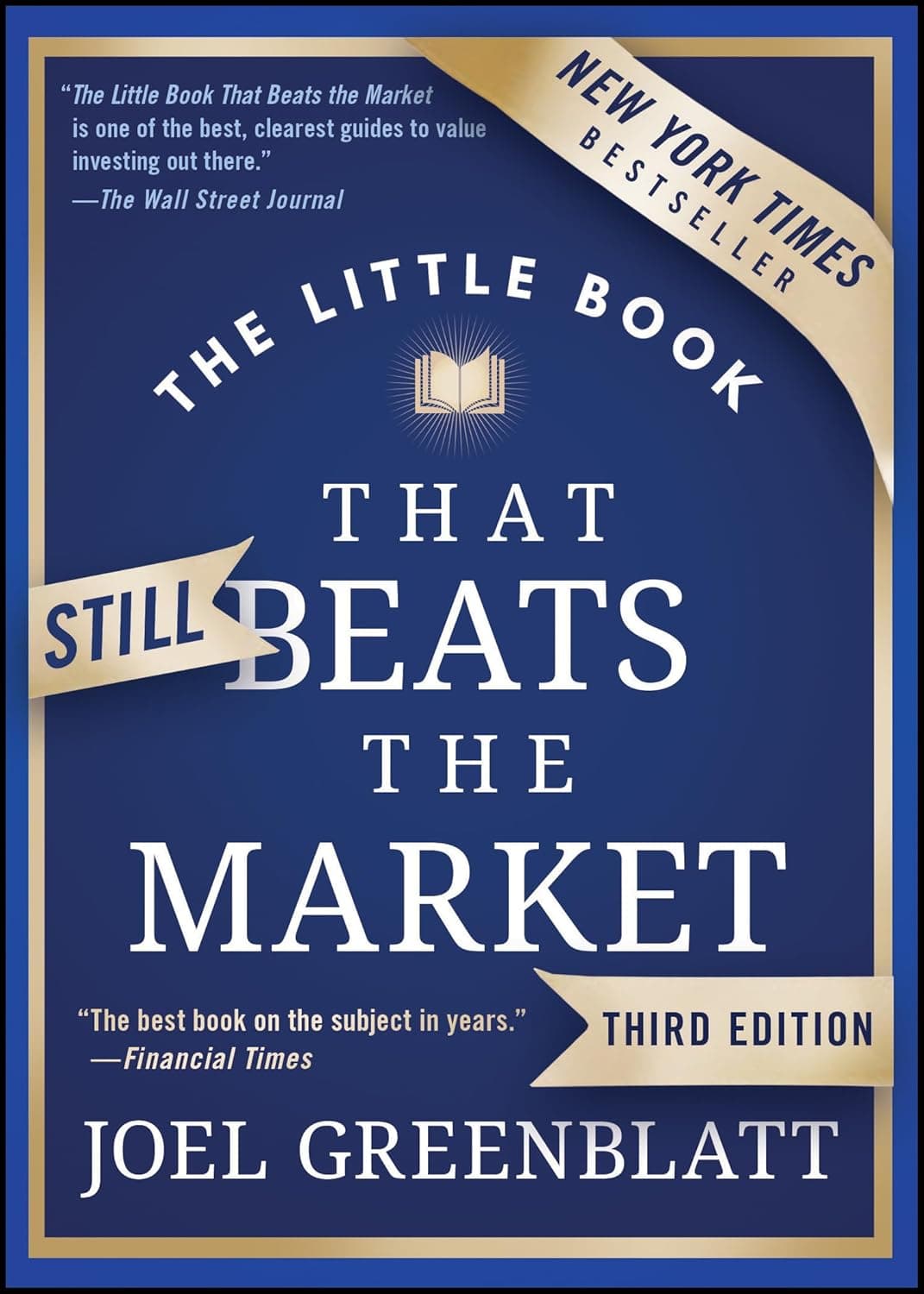
When Joel Greenblatt published "The Little Book That Beats the Market" in 2005, it dropped like a bomb. The backtests promised returns of up to 30% per year. But many years have passed. Markets have become more efficient, algorithms dominate trading, and the strategy is now known to millions of investors. The logical question is therefore: does the Magic Formula still work in 2026, or has the advantage been completely arbitraged away?
The Battle Between Value and Growth
To understand the performance of the Magic Formula, you must know that it is a pure value strategy. The past 10 to 15 years — especially the era of low interest rates until 2022 — were dominated by growth, led by Big Tech companies. During this period, the Magic Formula had an incredibly hard time and regularly lagged behind the broader S&P 500.
However, with changing macroeconomic conditions — such as structurally higher interest rates and inflation — we are seeing a resurgence of profitable, cheaply valued companies. Exactly the pond in which the Magic Formula fishes. The 20-year backtest data confirms this pattern across multiple market cycles.
Has the "Edge" Disappeared Due to Popularity?
A well-known rule in the stock market is that once a winning formula becomes public, it stops working. Why would the Magic Formula be an exception?
- Psychological pain threshold: Although the strategy is well-known, very few can actually execute it. It requires you to buy a portfolio full of unpopular, declining stocks — a psychological barrier most investors cannot clear.
- Institutional constraints: Large pension funds and institutional investors cannot effectively use the formula. They manage too much capital and cannot simply trade the small or mid-cap companies that often appear on the list without moving the market price.
The Data: What Can You Realistically Expect?
If you expect to make a 30% annual return over the next ten years, you will be disappointed. Recent independent backtests show that returns have flattened out compared to the original publication. However, historically over long periods (10+ years), the Magic Formula still delivers an outperformance of 2% to 5% per year compared to the broader market.
That may sound modest. But applied consistently over decades, even 3% of annual outperformance compounds into a dramatically different outcome compared to simply owning an index fund.
Conclusion
Yes, the Magic Formula still works in 2026. The mechanics of buying good companies at a low price are timeless. But the outperformance is no longer as extreme as in the original backtests, and the "edge" only remains for the rare investor with iron discipline — which is precisely what keeps it alive.
Want to see how the Magic Formula compares to other value strategies? We ranked them all in Value Investing Strategies Ranked. And if you're investing outside the US, read our guide to applying the Magic Formula in Europe.