The Ultimate Test of Patience
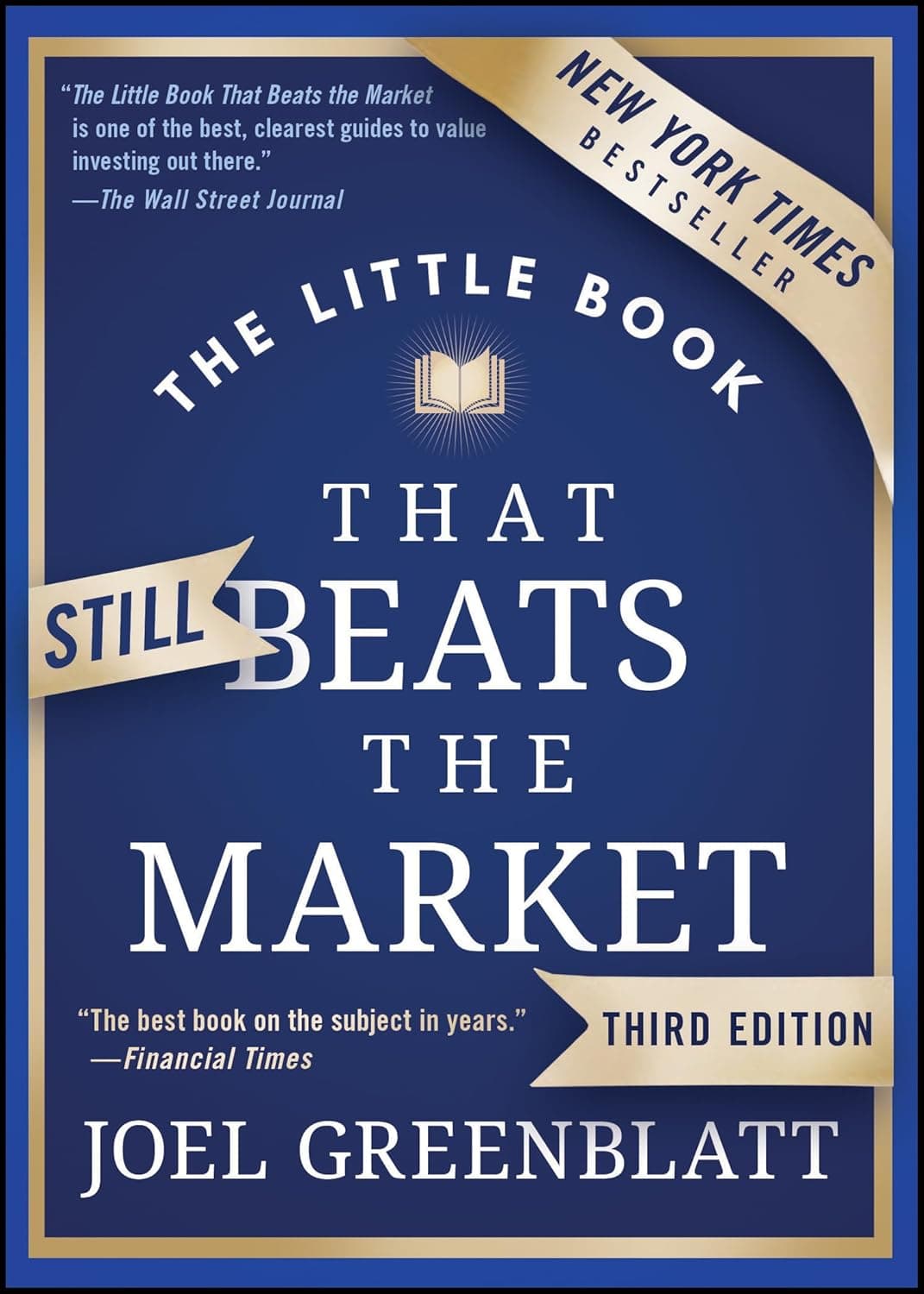
In investing, anyone can get lucky for a year or two. True investment strategies are tested over decades. When Joel Greenblatt first published his findings, his original backtest spanned 17 years and showed an astonishing 30%+ annualised return. But what happens if you apply it strictly and blindly for a full 20-year period — covering multiple economic crashes, bull markets, and the tech-heavy era leading up to today?
The Power of Compounding
If you invest $10,000 in the S&P 500 at a historical average of about 10% per year, you will have roughly $67,000 after 20 years.
However, if the Magic Formula generates an annualised return of 13% over that same period (a realistic, modernised expectation), that same $10,000 grows to over $115,000.
That 3% difference doesn't sound like much in year one, but over two decades, the magic of compound interest creates a massive wealth gap. This is the mathematical reward for following the formula blindly.
The Brutal Reality of the Journey
Looking at the endpoint of a 20-year backtest makes the strategy look easy. But the day-to-day reality of living through those 20 years is psychologically brutal. If you followed the formula blindly for two decades, here is what you actually experienced:
- Years of Underperformance: In any 20-year period, there will likely be 4 to 6 years where the Magic Formula performs worse than a simple index fund. This is exactly why most investors fail at the strategy. During massive tech bull runs, your portfolio of boring industrial and retail stocks likely lagged behind.
- Gut-Wrenching Drawdowns: During the 2008 financial crisis or the 2020 pandemic crash, the Magic Formula portfolio plummeted. Because it is a concentrated portfolio of 20 to 30 stocks, drawdowns can sometimes exceed 50%.
- The "Dead Money" Phases: There are multi-year stretches where your portfolio essentially goes nowhere, testing every ounce of your conviction.
Why 20 Years Is the "Magic" Horizon
Statistically, the longer you hold a value-based strategy, the higher your probability of outperforming the broader market.
- Over a 1-year period, the Magic Formula might only beat the market 60% of the time.
- Over a 5-year period, that probability jumps to around 80%.
- Over a 20-year rolling period, backtests show it is incredibly rare for the strategy to lose to the broader market index — assuming strict, mechanical adherence to the rules.
Conclusion: Discipline Is Your Only Edge
The backtests are clear: following the Magic Formula blindly for 20 years works. It builds generational wealth. However, the true cost of this outperformance is not paid in broker fees — it is paid in patience, emotional distress, and the sheer discipline required to keep buying unloved stocks when the rest of the world is chasing the latest trend. If you can survive the journey, the math will take care of the destination.
Wondering whether the formula still holds up in modern markets? We investigate in Is the Magic Formula Still Working in 2026? And if you're convinced and ready to start, follow our practical guide to building your first Magic Formula portfolio.