The Smart Investor's Trap
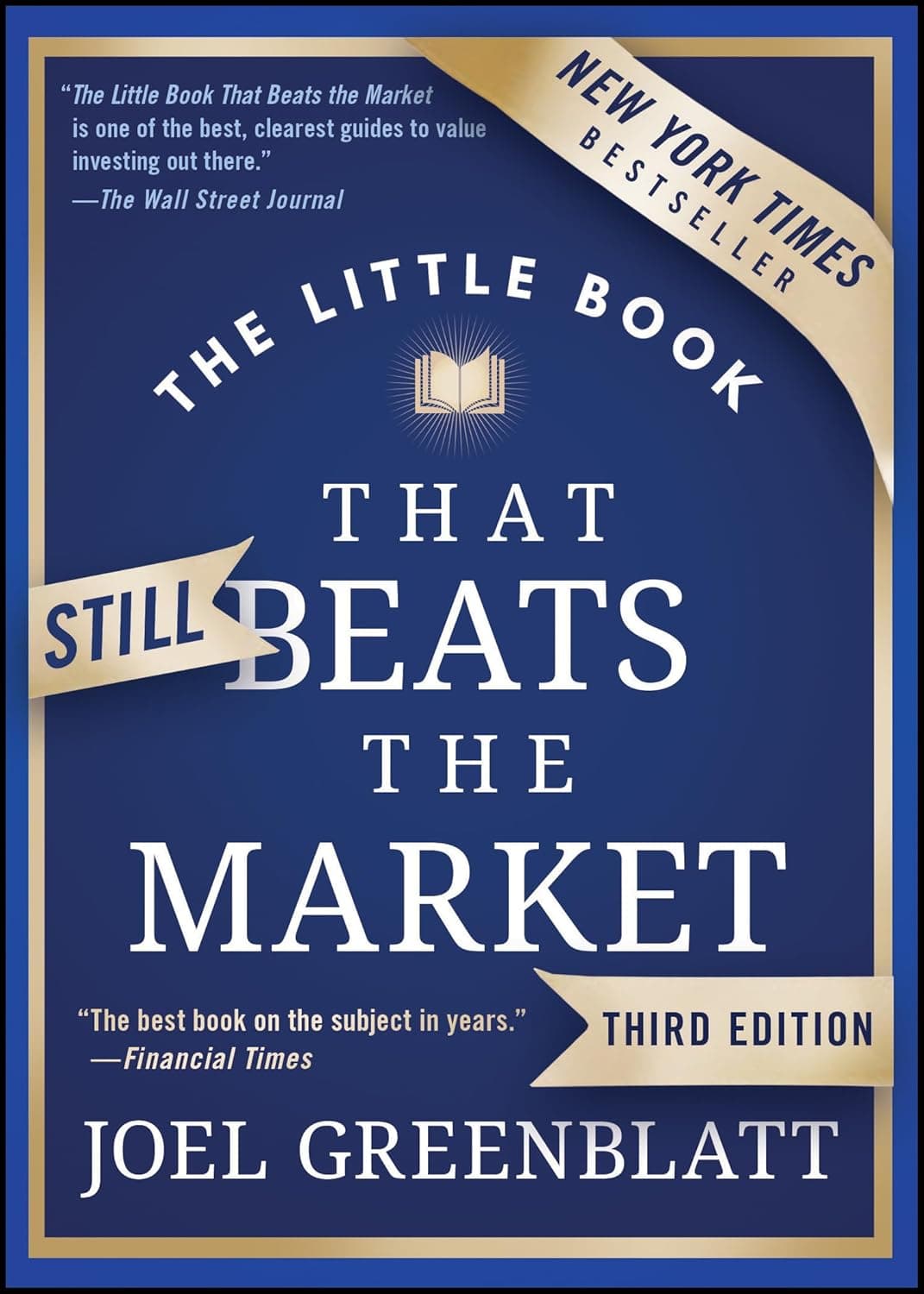
Wall Street is filled with the smartest people in the world — Ivy League graduates with supercomputers and massive research budgets. Yet Joel Greenblatt, a hedge fund manager himself, proved that a simple, two-variable formula could beat them consistently. How is this possible?
The answer doesn't lie in advanced mathematics; it lies in behavioral finance. The Magic Formula works precisely because human beings — especially very smart ones — are wired to make irrational emotional decisions when money is on the line.
Why We Crave a "Good Story"
Humans are storytelling creatures. When an average investor or a Wall Street analyst buys a stock, they want a compelling narrative. They want to buy the company that is inventing a new AI technology, curing a disease, or changing the world.
- The Magic Formula has no story. It spits out a list of companies going through lawsuits, boring manufacturers, and struggling retail chains.
- The psychological hurdle: It is incredibly uncomfortable to tell your friends at a dinner party that you just invested your life savings into a disgraced tobacco company or a regional waste management firm.
Because most investors cannot stomach the social and emotional discomfort of buying "ugly" stocks, these companies become underpriced. The Magic Formula systematically buys this mispricing.
Curious what these "ugly" stocks actually look like? We profiled 7 types of stocks the Magic Formula loves that you've probably never heard of.
Cognitive Biases That Destroy Returns
Smart investors fail at the Magic Formula because they try to "fix" it using their intellect. They fall victim to well-documented cognitive biases:
- Action Bias: Smart people feel the need to do something to earn their returns. The Magic Formula requires you to buy your stocks and do absolutely nothing for 365 days. For a highly active, intelligent investor, doing nothing feels wrong.
- Confirmation Bias: When a stock on the Magic Formula list drops 20% in a month, investors immediately search the news to find out why. They find negative articles, feel validated in their fear, and sell the stock — ignoring the mathematical premise that volatility is part of the system.
- Overconfidence Effect: The investor looks at the list of 30 stocks and thinks, "I am smart enough to know which 5 of these are going to go bankrupt, so I will skip them." By interfering with the formula, they destroy the statistical probability of the basket.
Automation Beats Emotion
The greatest strength of the Magic Formula is that it is 100% mechanical. It strips away human intuition, fear, and greed.
In the world of investing, your brain is often your own worst enemy. When the market crashes, your brain screams at you to sell. When the market is booming, your brain screams at you to buy expensive growth stocks. The Magic Formula provides a strict set of rules that forces you to do the exact opposite: buy good businesses when they are cheap and hated.
Conclusion: Leave Your Brain at the Door
To succeed with the Magic Formula, you don't need a PhD in finance. In fact, too much financial knowledge can actually be a disadvantage if it leads you to second-guess the system. The ultimate secret to the Magic Formula is accepting that a simple, disciplined, and mechanical process will almost always beat a "smart" but emotional human being over the long run.
Want to see these psychological traps play out in practice? Read about the specific mistakes that cause most investors to fail, or follow one investor's honest 12-month Magic Formula experiment — including the emotional rollercoaster.